
A Comprehensive Overview of Platelet-Rich Plasma (PRP) Therapy
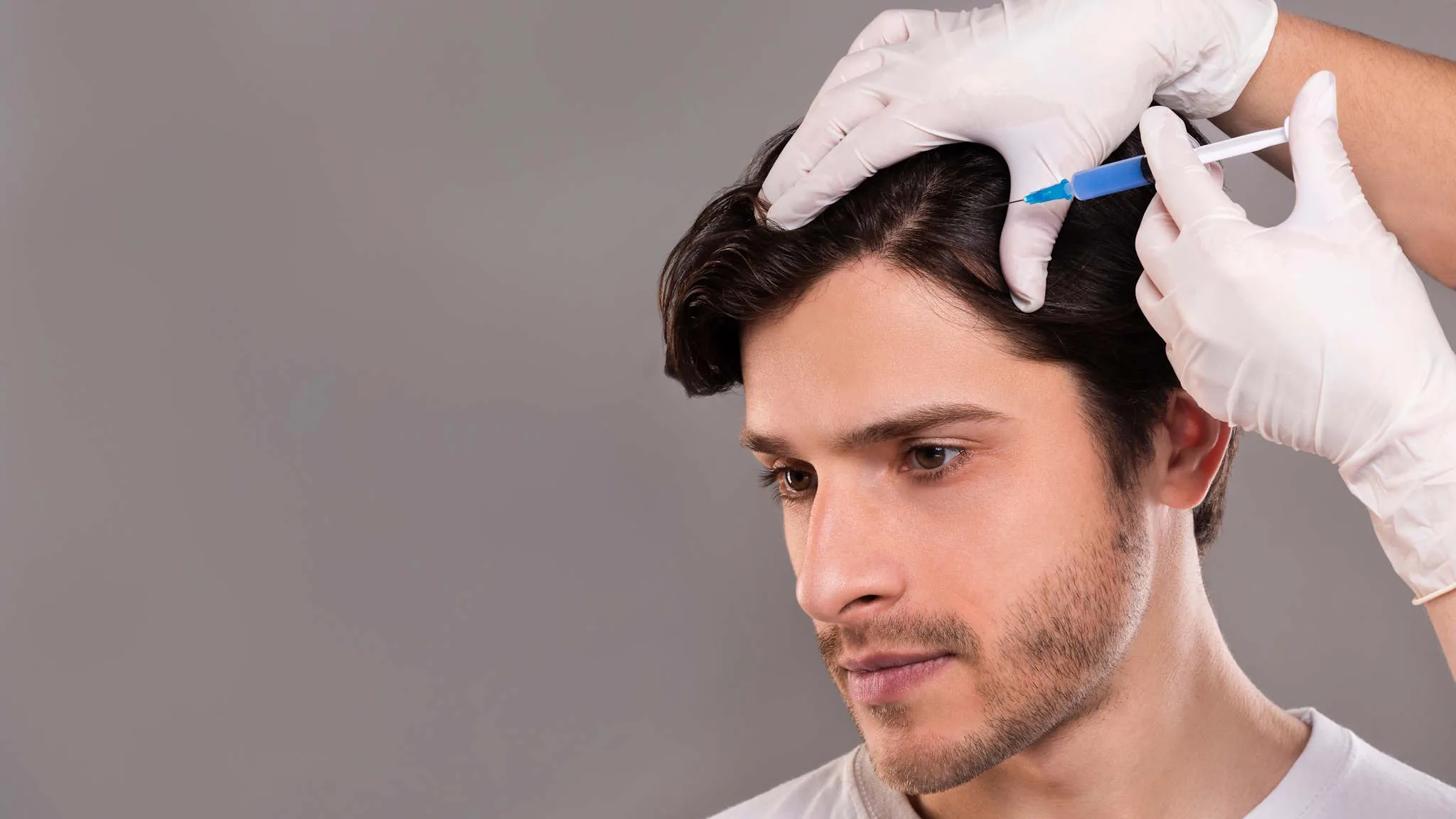
Platelet-Rich Plasma (PRP) is a therapeutic technique studied in regenerative medicine. It is a concentrated source of platelets, which are cells in your blood associated with healing and tissue regeneration.
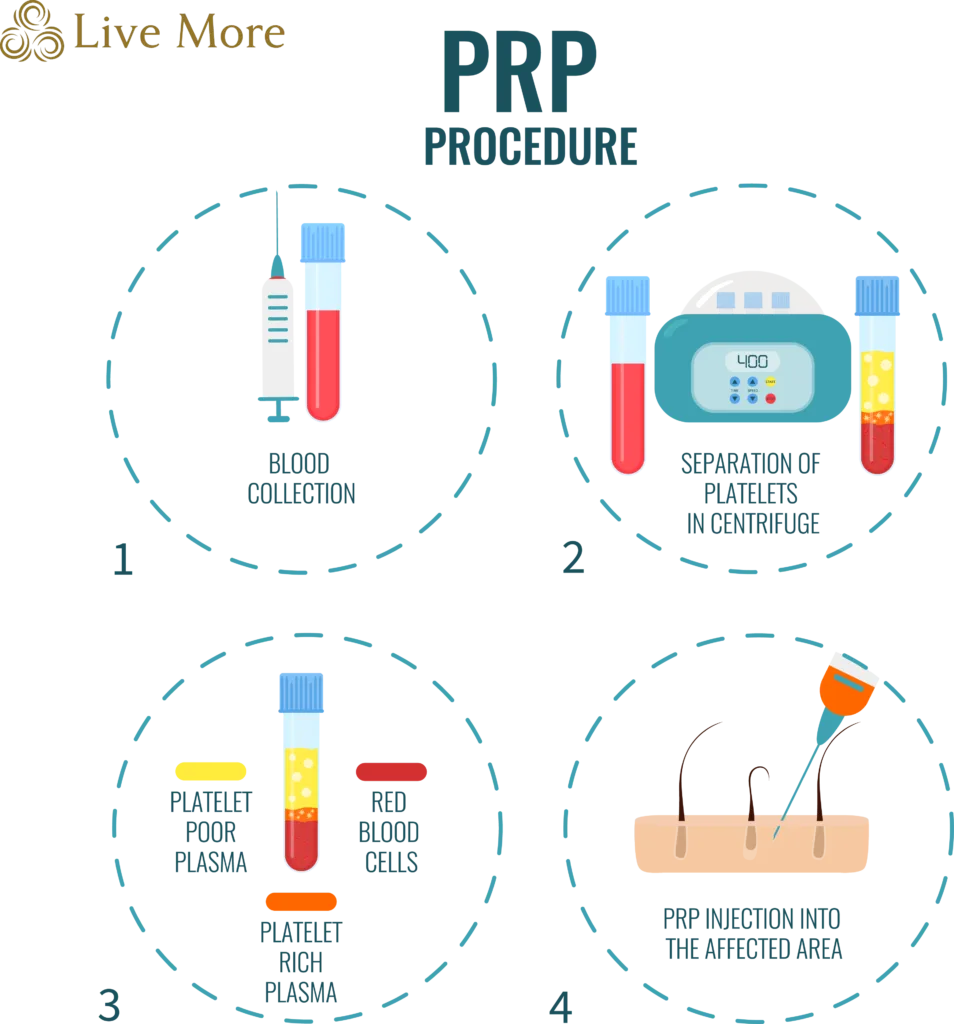
PRP is derived from your own blood, which is why it is often described as a natural treatment option. The process involves drawing a small amount of your blood, spinning it in a centrifuge to separate the components, and extracting the platelet-rich plasma for use.
What can PRP Therapy help with?
1. Hair
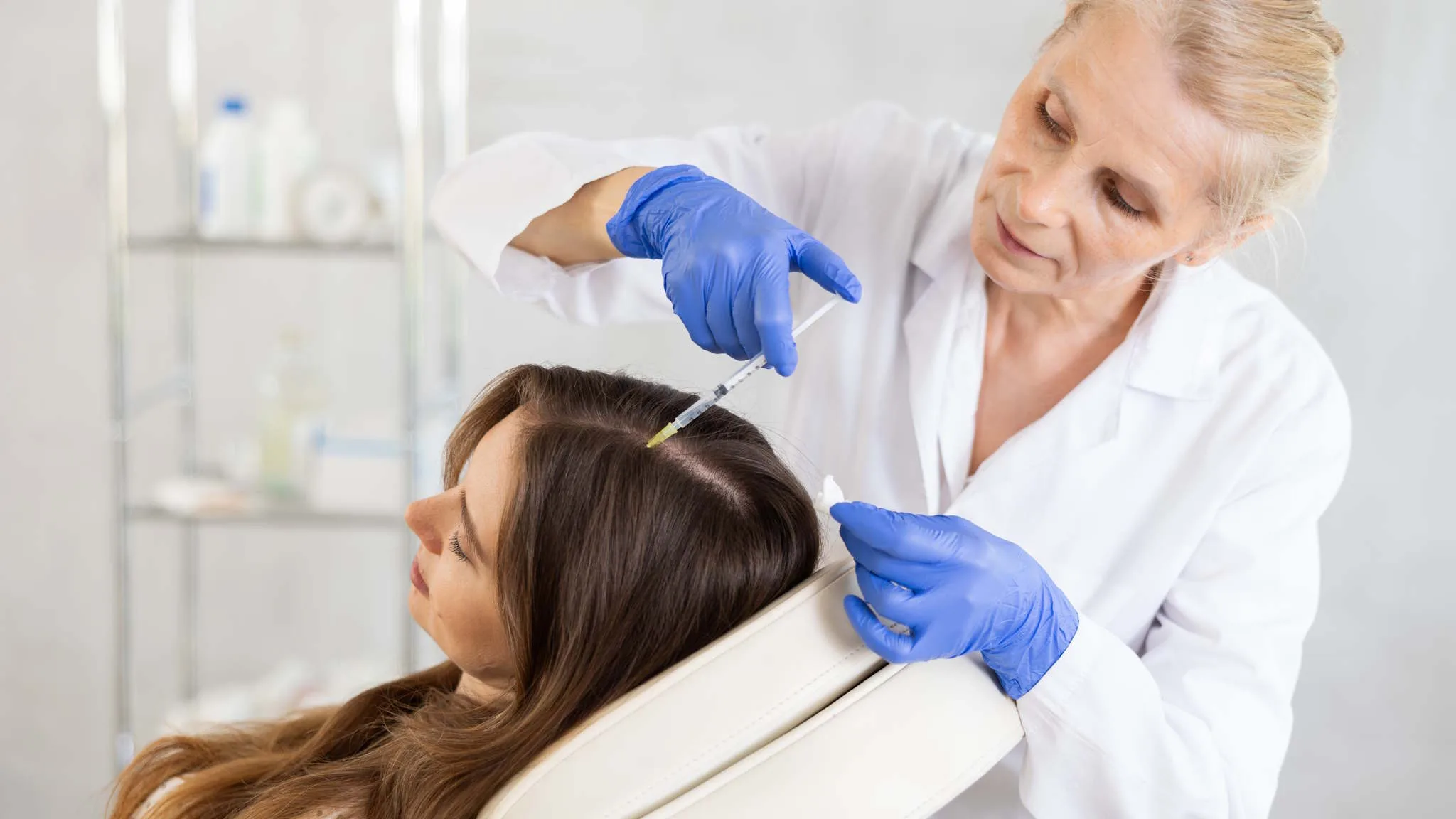
PRP therapy is one non-surgical option studied for hair loss. It uses your body’s own growth factors and has been studied for its potential to support the hair follicles and help maintain existing hair. It may be an option to consider for people experiencing thinning hair or pattern baldness. PRP is injected into the scalp with the aim of supporting hair follicles, and some studies report fuller-looking hair. It is a natural approach to hair restoration that some people choose to support their appearance.
2. Face
When it comes to facial rejuvenation, PRP therapy is one treatment option. Known as the “Vampire Facial,” this procedure involves injecting PRP into the skin, and has been studied for its potential to support collagen production and skin tightening. Some people report improvements in the appearance of wrinkles, scars, sun damage and dark circles under the eyes. PRP therapy may help support skin texture and tone without the need for invasive surgery, though results vary between individuals.
3. Knees
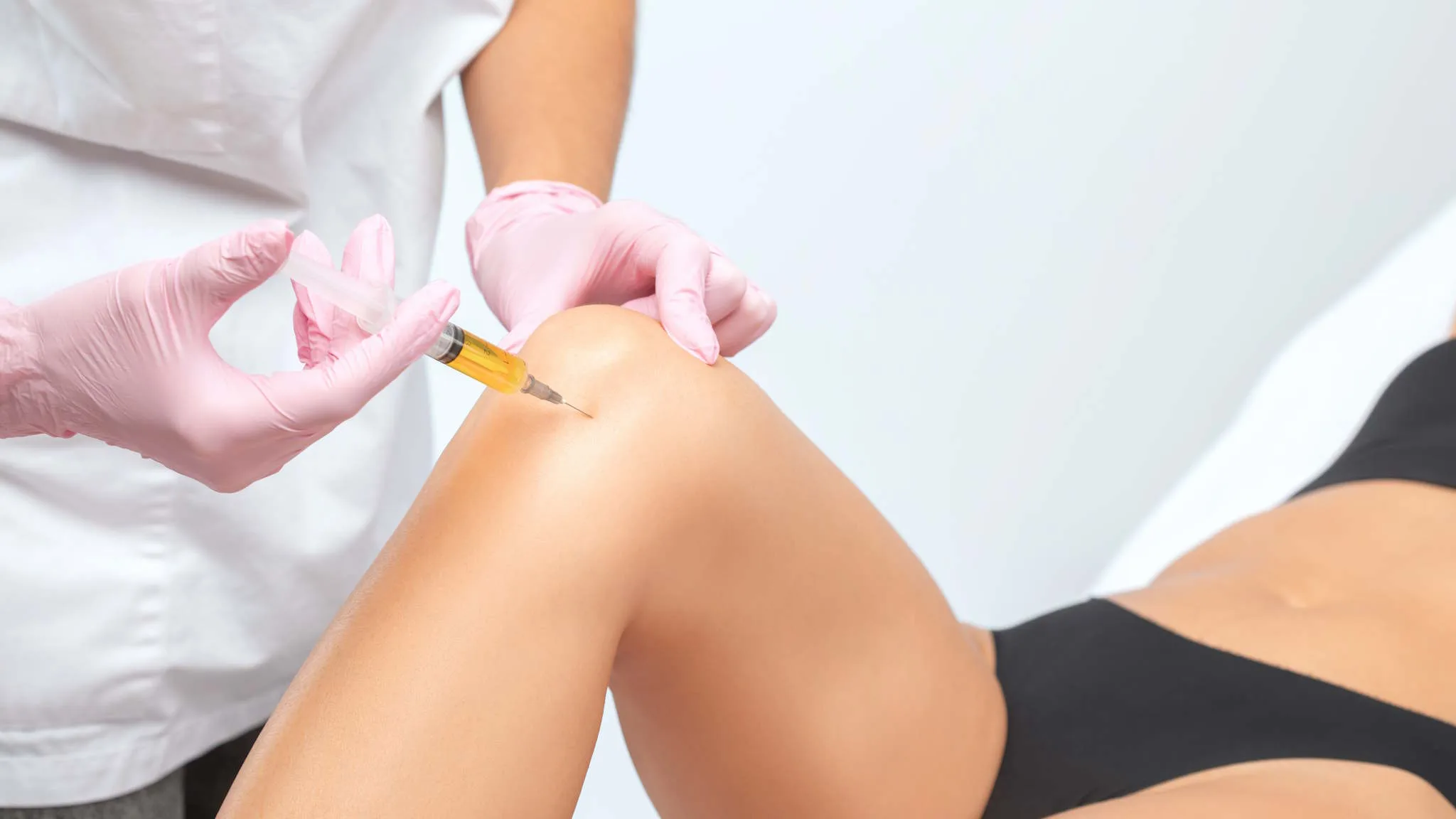
For those with knee osteoarthritis, PRP therapy has been studied as one option. This condition, characterized by the degeneration of joint cartilage, can cause significant pain and mobility issues. PRP therapy, which contains a high concentration of growth factors, has been studied for its potential to support cartilage and may be associated with reduced pain and improved joint function in some people. It is a natural, non-surgical option that some choose as part of their care.
4. Hips
Hip bursitis, a painful condition often caused by injury or overuse, can significantly impact your ability to move freely. PRP therapy has been studied as one option. PRP is injected into the affected area with the aim of supporting the body’s natural healing response, and may be associated with reduced inflammation. Some people report reduced pain and improved hip function, though individual results vary.
5. Shoulders
Shoulder injuries, particularly those involving the rotator cuff, can be debilitating. The rotator cuff is a group of muscles and tendons that stabilize the shoulder, and injuries to this area can be slow to heal. PRP therapy has been studied for its potential to support the body’s natural healing response, which may be associated with recovery and reduced pain. It is one option some people consider when seeking to regain shoulder function and return to their normal activities.
6. Ankles
Ankle injuries, including sprains and instability, are among the conditions studied for PRP therapy. By supporting the body’s natural healing response, PRP may be associated with reduced inflammation and can help support ankle stability and function. Whether you’re an athlete looking to get back in the game or an individual seeking to regain mobility, PRP therapy can be a valuable part of your recovery plan.
What can I expect during and after PRP Therapy?
During PRP therapy, you can expect a relatively straightforward process. The procedure involves a blood draw, so it’s important for you to be hydrated and have eaten beforehand to prevent feeling lightheaded. The blood is then processed in a centrifuge to isolate the platelet-rich plasma.
Some people will experience mild soreness, swelling and bruising around the injection site, which is a normal part of the healing process.
It is important to take care of the injection site, keeping it clean and dry. We advise you not to touch, rub or massage the injection site and avoid bathing, showering or swimming for at least 8 hours after treatment.
It is likely that you will need more than one treatment depending on the purpose of your therapy, so regular follow up consultations will be booked to monitor progress.
Who Might Benefit from PRP Therapy?
People with Hair Loss or Thinning
People seeking Facial Rejuvenation
Individuals with Joint Pain or Osteoarthritis
- Individuals with Ligament, Tendon, or Muscle Injuries
- People with Tendonitis
- People with Acne Scars, Stretch Marks, Hyperpigmentation Scars or Poor Skin Texture
PRP therapy is a versatile treatment option with a wide range of applications. From hair restoration to joint repair, this therapy works with the body’s own healing mechanisms and is derived only from your own plasma.
As with any treatment, you can discuss with our medical team to understand the potential benefits and risks.
Reach out today to book a consultation to see if PRP Therapy is right for you.
to see if PRP Therapy is right for you.References
- Alves, R., Grimalt, R. (2018). "A Review of Platelet-Rich Plasma: History, Biology, Mechanism of Action, and Classification." Skin Appendage Disorders, 4(1), 18–24
https://doi.org/10.1159/000477353 - Andia, I., Maffulli, N. (2013). "Platelet-rich plasma for managing pain and inflammation in osteoarthritis." Nature Reviews Rheumatology, 9(12), 721–730
https://doi.org/10.1038/nrrheum.2013.141 - Gupta, A. K., Carviel, J. L. (2017). "Meta-analysis of efficacy of platelet-rich plasma therapy for androgenetic alopecia." Journal of Dermatological Treatment, 28(1), 55–58
https://doi.org/10.1080/09546634.2016.1179712 - Chen, J. X., Justicz, N., Lee, L. N. (2018). "Platelet-Rich Plasma for the Treatment of Androgenic Alopecia: A Systematic Review." Facial Plastic Surgery, 34(6), 631–640
https://doi.org/10.1055/s-0038-1660845 - Belk, J. W., Kraeutler, M. J., Houck, D. A., et al. (2021). "Platelet-Rich Plasma Versus Hyaluronic Acid for Knee Osteoarthritis: A Systematic Review and Meta-analysis of Randomized Controlled Trials." American Journal of Sports Medicine, 49(1), 249–260
https://doi.org/10.1177/0363546520909397