
A Deep Dive into Chelation Therapy

Chelation therapy, in its various forms, involves the administration of chelating agents to remove heavy metals and toxins from the body.
In this article, we will focus on one specific route: intravenous chelation therapy (IV chelation). This method, which utilizes intravenous infusion, has been studied for a range of health concerns. You will learn more about this IV therapy, including how it is used, what a session involves, and what the current evidence does and does not show.
What is Chelation IV Therapy?
Chelation IV therapy involves the intravenous administration of a chelating agent, typically ethylenediaminetetraacetic acid (EDTA), which binds to heavy metals and minerals in the bloodstream. By doing so, it may support their removal from the body. It has been studied in relation to circulation and cardiovascular health, and some research has looked at cognitive function, though the evidence in these areas remains limited and mixed.
Chelation IV therapy is typically administered over a course of multiple sessions, giving time in between each session for the body to rest.
What can Chelation IV Therapy help with?
1. Heavy Metal Detoxification
The most common application of chelation is for removing heavy metals from the body. Individuals exposed to heavy metals, such as lead, mercury, or arsenic, can benefit from chelation therapy. It aids in eliminating these toxins from the body, and is used to help reduce the body burden associated with heavy metal accumulation and reduction of inflammation.
2. Cardiovascular Health
Chelation therapy is often used as an adjunctive treatment for cardiovascular conditions. Some research has studied it as an adjunct in cardiovascular disease. The mechanism is not settled, and reviews describe the overall evidence as mixed rather than conclusive.
3. Improved Cognitive Function
Cognitive impairment from heavy metal toxicity is well documented. Some studies propose that chelation therapy might have a positive impact on cognitive function, especially in individuals with heavy metal toxicity-related cognitive impairments.
What can I expect during and after a Chelation IV Therapy?
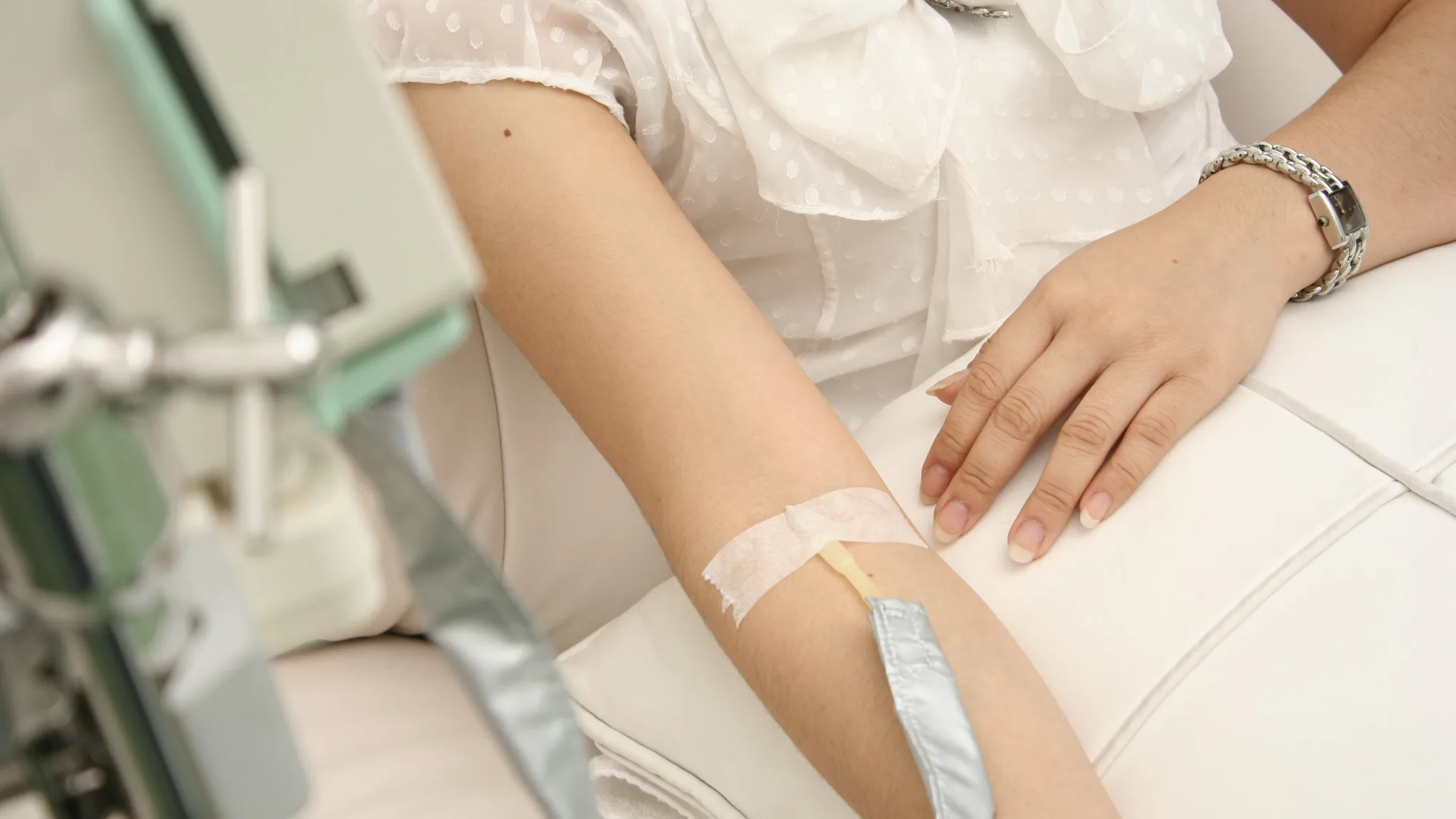
Chelation IV therapy typically takes around an hour to administer. The nurse will insert an IV line into your vein and the chelating agent will be slowly infused. Depending on your lab results, a full course of chelation can be between 5 - 20 individual sessions spread over many weeks.
Some people will experience mild headaches, body aches, tiredness and nausea in the hours immediately after the session. This depends on the levels of heavy metals present in the body, how many sessions have already been administered, and how well the body tolerates the chelate.
Following up the chelation therapy with a mineral IV a few days later will help the body recover quicker. Chelation does not target specific heavy metals or minerals, thus lowering the ones we want to keep as well, so replenishing minerals and hydration may help with recovery.
Who Might Benefit from Chelation IV Therapy?
People with a history of cardiovascular issues who wish to discuss whether chelation may be appropriate, including some studied subgroups such as people with diabetes.
Those who have been exposed to heavy metals due to environmental factors or occupational hazards.
Anyone seeking a complementary approach to improve overall well-being and cognitive function.
Chelation IV therapy, when administered under professional supervision, can be a valuable addition to holistic healthcare practices. At Live More, we prioritize the dissemination of accurate and evidence-based information to empower our guests in making well-informed decisions about their health.
If you are considering chelation IV therapy or have further questions about its potential benefits, please don’t hesitate to reach out to us.
Interested in Chelation IV Therapy? We can organise a sample collection for laboratory test for you anywhere in Thailand. Reach out and book a consultation with us to see if chelation is right for you.References
- Flora, S. J., Pachauri, V. (2010). "Chelation in metal intoxication." International Journal of Environmental Research and Public Health, 7(7), 2745–2788
https://doi.org/10.3390/ijerph7072745 - Kosnett, M. J. (2013). "The Role of Chelation in the Treatment of Arsenic and Mercury Poisoning." Journal of Medical Toxicology, 9(4), 347–354
https://doi.org/10.1007/s13181-013-0344-5 - Lamas, G. A., Goertz, C., Boineau, R., et al. (2013). "Effect of Disodium EDTA Chelation Regimen on Cardiovascular Events in Patients With Previous Myocardial Infarction: The TACT Randomized Trial." JAMA, 309(12), 1241–1250
https://doi.org/10.1001/jama.2013.2107 - Ravikumar, S., Win, M. S., Chai, L. Y. A. (2015). "Optimizing outcomes in immunocompromised hosts: understanding the role of immunotherapy in invasive fungal diseases." Frontiers in Microbiology, 6, 1322
https://doi.org/10.3389/fmicb.2015.01322 - Centers for Disease Control and Prevention. "Lead Poisoning — Treatment Guidelines (Adults)."
https://www.cdc.gov/niosh/topics/lead/