
All You Need To Know about Curcumin IV Therapy

As we age, our bodies undergo changes that can increase our risk for a variety of diseases and conditions. While a healthy diet, exercise, and other lifestyle factors can play a major role in promoting overall health and longevity, some people add alternative therapies such as curcumin IV therapy, which is commonly used to support general wellbeing as part of a healthy-ageing routine.
Curcumin is a naturally occurring compound extracted from turmeric, a spice commonly used in Indian cuisine (my home country!). In recent years, curcumin has gained attention for its potential health benefits, with studies showing its antioxidant and anti-inflammatory properties amonst many other benefits.
Oral curcumin supplements are already widely available, but now more people are choosing curcumin administered as an IV therapy as a way to boost the bioavailability and effectiveness of the compound.
Let's take a look at what curcumin has been studied for in the context of general wellbeing and healthy ageing.
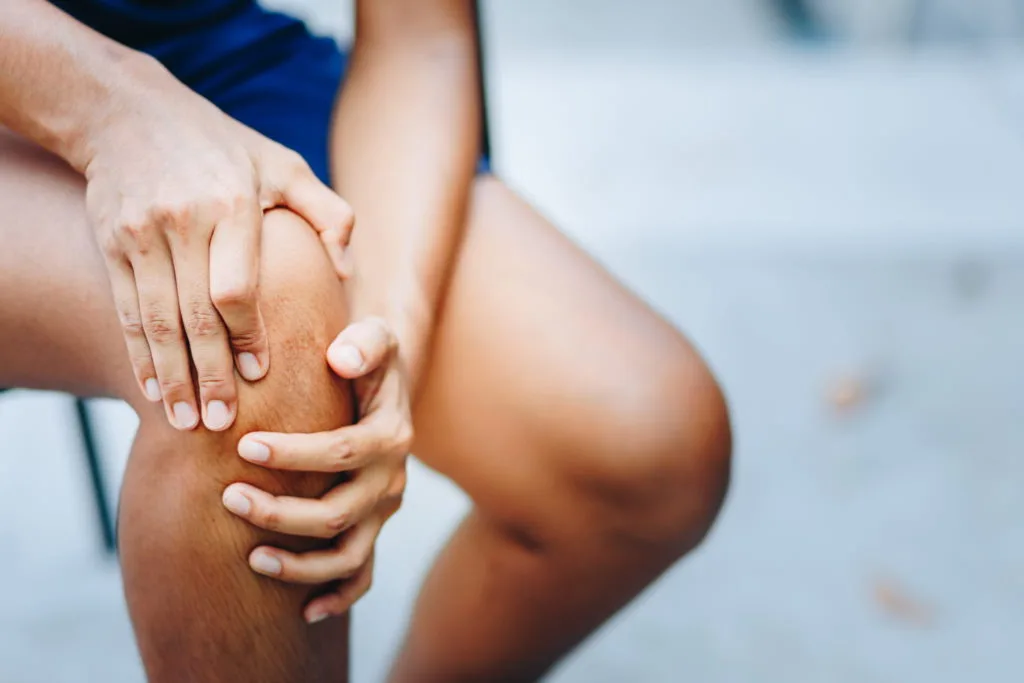
Reduced Inflammation
Chronic inflammation is believed to play a role in many age-related conditions. Curcumin has been studied for its anti-inflammatory properties, and some research has looked at whether it may help modulate inflammation in the body.
Better Brain Health
As we age, our risk for cognitive decline and neurodegenerative diseases like Alzheimer's increases. Some studies suggest that curcumin may be associated with aspects of brain function, though much of this evidence is early and drawn from laboratory and animal research. Higher bioavailability is one reason IV administration is sometimes explored.
Cardiovascular Health
Heart disease is a leading cause of death worldwide, and many risk factors for the condition increase as we age. Curcumin has been studied for possible effects on markers associated with cardiovascular health, such as inflammation and circulation, though the evidence in people is still limited.
Antioxidant Effects
Free radicals are unstable molecules that can cause damage to cells and DNA, leading to aging and disease. Curcumin has antioxidant activity, which means it may help neutralise free radicals in laboratory studies. IV administration is sometimes explored because it can achieve higher concentrations of curcumin in the bloodstream.
Reduced Risk of Cancer
Cancer risk increases as we age, but some research suggests that curcumin may have anti-cancer properties. Curcumin IV therapy may be particularly effective in this regard, as it allows for higher concentrations of curcumin to reach the cells.
There are a lot of bold statements and big promises made here, but it's important to note that curcumin IV therapy may not be suitable for everyone, and you should consult with a professional before deciding to include curcumin in your healthcare regiment.
Most importantly, no single treatment or therapy is a silver bullet for any condition nor will it allow you to outrun time - but, when used as part of a comprehensive wellbeing lifestyle plan, curcumin is one option some people choose to support ageing well.
Interested In Curcumin? Live More offers curcumin in both oral and IV form, and our medical team can help assess if this therapy is right for you. Get in touch with us for more information or to book an appointment.References
- Hewlings, S. J., Kalman, D. S. (2017). "Curcumin: A Review of Its Effects on Human Health." Foods, 6(10), 92
https://doi.org/10.3390/foods6100092 - Daily, J. W., Yang, M., Park, S. (2016). "Efficacy of Turmeric Extracts and Curcumin for Alleviating the Symptoms of Joint Arthritis: A Systematic Review and Meta-Analysis of Randomized Clinical Trials." Journal of Medicinal Food, 19(8), 717–729
https://doi.org/10.1089/jmf.2016.3705 - Aggarwal, B. B., Harikumar, K. B. (2009). "Potential therapeutic effects of curcumin, the anti-inflammatory agent, against neurodegenerative, cardiovascular, pulmonary, metabolic, autoimmune and neoplastic diseases." International Journal of Biochemistry & Cell Biology, 41(1), 40–59
https://doi.org/10.1016/j.biocel.2008.06.010 - Anand, P., Kunnumakkara, A. B., Newman, R. A., Aggarwal, B. B. (2007). "Bioavailability of curcumin: problems and promises." Molecular Pharmaceutics, 4(6), 807–818
https://doi.org/10.1021/mp700113r - Salehi, B., Stojanović-Radić, Z., Matejić, J., et al. (2019). "The therapeutic potential of curcumin: A review of clinical trials." European Journal of Medicinal Chemistry, 163, 527–545
https://doi.org/10.1016/j.ejmech.2018.12.016